Navigating the rapidly evolving world of gaming can be tough especially when balancing work family and life commitments. Forget the endless cycle of expensive hardware upgrades and lengthy game downloads. This comprehensive guide explores "is cloud gaming" a real solution for today's busy gamer offering instant access to hundreds of titles on devices you already own. Discover how cloud gaming can revolutionize your play whether you seek relaxation skill-building or social connection. We cover everything from internet requirements to the best services making sure you get the most value for your money without the hype. Dive in to understand if this trending technology is your next gaming frontier providing seamless fun and performance optimization for your precious gaming time.
Related games- Guide Roblox Calamity Script Optimize Your Gameplay
- Guide to All 2008 Roblox Items Retro Collectibles
- Guide How to Put Games on TI 84 Plus Easy Steps
- Guide How to Master Computer PC Gaming in 2026
- How To Find Best Gaming PC Games 2026 Guide
Q: What exactly is cloud gaming?
A: Cloud gaming, also known as game streaming, allows you to play video games remotely over the internet without needing powerful local hardware. The game runs on a high-end server in a data center, which then streams the video output to your device (like a TV, phone, tablet, or low-spec PC). Your inputs (controller, keyboard, mouse) are sent back to the server in real-time, creating an interactive experience.
Q: How does cloud gaming actually work behind the scenes?
A: When you launch a game via a cloud service, a dedicated server instance runs that game for you. The server processes all the graphics, physics, and gameplay. It then encodes this visual and audio information into a video stream, which is sent over your internet connection to your device. Simultaneously, your controller or keyboard commands are sent from your device back to the server, resulting in near-instantaneous feedback. It is essentially like watching an interactive YouTube video of a game you are playing.
Q: What are the main benefits of using cloud gaming services?
A: The primary benefits include eliminating the need for expensive gaming PCs or consoles, allowing you to play high-fidelity games on nearly any device you already own. You also avoid large game downloads, lengthy installation times, and constant updates. It is incredibly convenient for gamers on the go or those with limited time, offering instant access to vast game libraries with just an internet connection.
Q: What are the common downsides or limitations of cloud gaming?
A: The biggest limitation is its reliance on a stable, high-speed internet connection. Latency (the delay between your input and the game's reaction) can be an issue, especially for competitive, fast-paced games. Image quality can sometimes degrade with connection fluctuations, and you are often tied to the game libraries offered by specific services, not necessarily owning the games outright.
Q: What internet speed is recommended for a smooth cloud gaming experience?
A: For a decent 1080p stream at 60 frames per second, most services recommend a minimum of 25-35 Mbps. For 4K streaming, you will need upwards of 50-75 Mbps. However, consistent bandwidth is key, and a wired Ethernet connection is almost always preferred over Wi-Fi to minimize latency and packet loss for the best possible experience.
Q: Can I use cloud gaming to play games I already own on Steam or Epic Games?
A: Yes, some cloud gaming services like NVIDIA GeForce NOW allow you to stream games you already own on popular PC storefronts such as Steam, Epic Games Store, and GOG. Other services, like Xbox Cloud Gaming or PlayStation Plus Premium, operate on a subscription model where you access a curated library of games included in your membership, rather than streaming your personal library.
Q: Is cloud gaming suitable for competitive esports or fast-paced online multiplayer?
A: While significant improvements have been made, cloud gaming still presents challenges for highly competitive esports due to potential input latency. Every millisecond counts in professional play. For casual competitive gaming or most online multiplayer experiences, it is often perfectly fine, but professional players typically prefer local hardware for the lowest possible latency.
Hey fellow gamers! Ever find yourself staring at that new game release, wishing you had the latest graphics card or console, but your budget and schedule just aren't cooperating? Or maybe you're tired of massive downloads and endless updates eating into your precious gaming time? You're not alone. For many of us, gaming is a vital escape, a way to unwind, build skills, or connect with friends. But the demands of modern gaming hardware and time commitments can feel like another chore. This is where the question "is cloud gaming" truly a game-changer for people like us, often around 36 years old, who balance jobs, families, and life's endless to-do lists?
As of 2026, gaming remains a dominant pastime in the US, with approximately 87% of gamers playing regularly, often clocking 10+ hours a week. The trends show a clear shift towards mobile dominance and the crucial role of social interaction in gaming. Cloud gaming promises to address many common pain points: bypassing setup issues, sidestepping performance bottlenecks on older hardware, providing access to new titles without breaking the bank, and even making it easier to balance gaming with life. This guide will cut through the noise, offering practical solutions and insights into whether cloud gaming is the perfect fit for your lifestyle.
What Exactly is Cloud Gaming and How Does it Work?
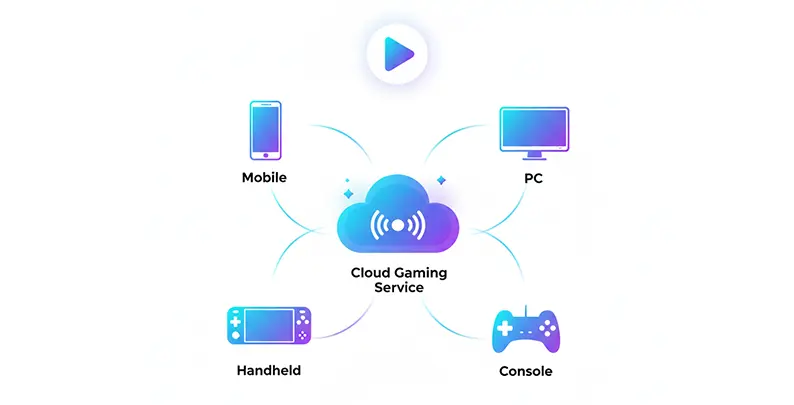
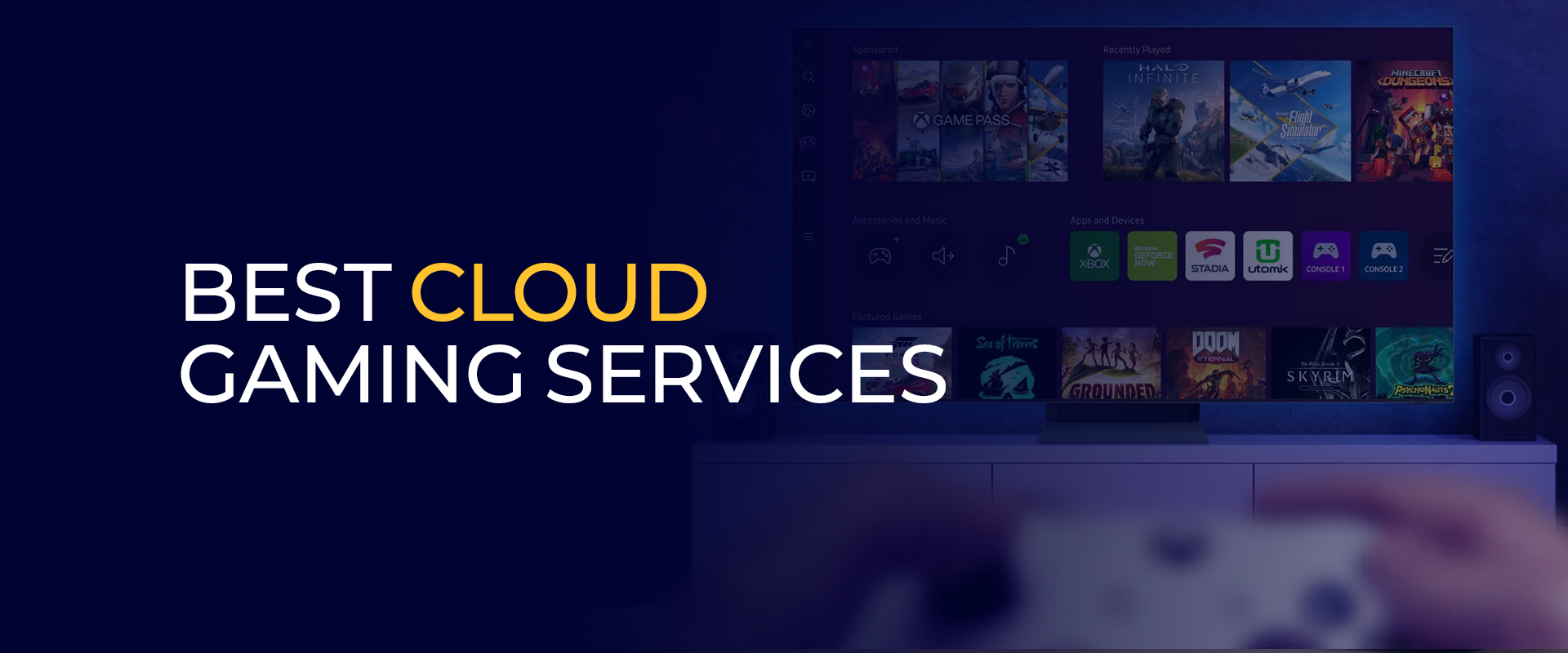
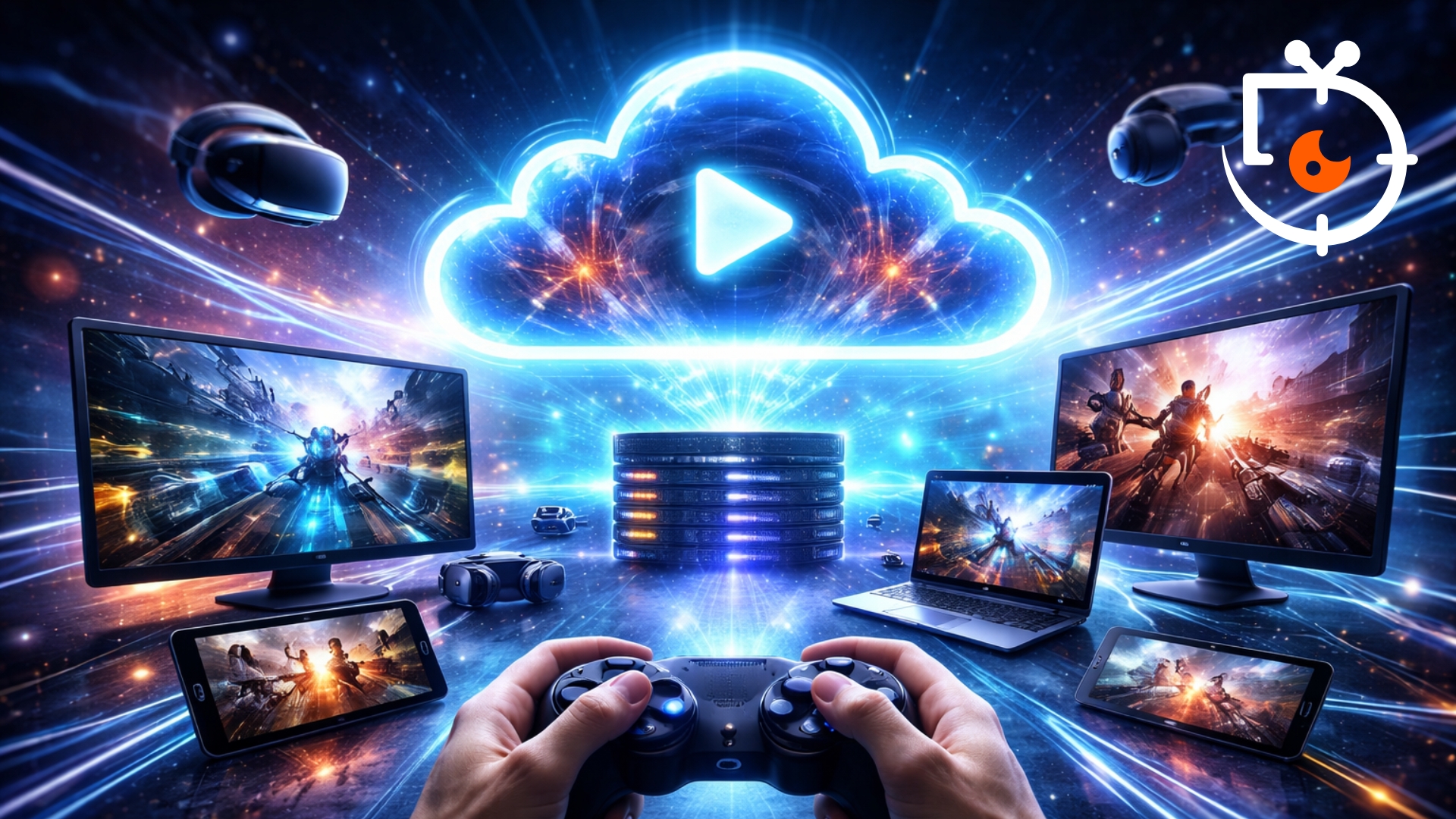
Cloud gaming, often called game streaming, is essentially playing video games remotely. Instead of running a game on your local PC or console, the game runs on powerful servers in a data center somewhere else. These servers handle all the heavy lifting: the graphics, the physics, the rendering – everything. The video and audio output of the game is then streamed to your device over the internet, much like watching a movie on Netflix or YouTube. In parallel, your button presses, mouse clicks, and joystick movements are sent back to the server. This creates an interactive experience where you're controlling a game that's actually running miles away.
This technology frees you from the need for high-end local hardware. Your device simply needs to be capable of decoding a video stream and sending inputs quickly. This means you can potentially play the latest AAA titles on an older laptop, a tablet, a smartphone, or even a smart TV, as long as you have a solid internet connection.
Is Cloud Gaming Truly the Future for Busy Gamers?
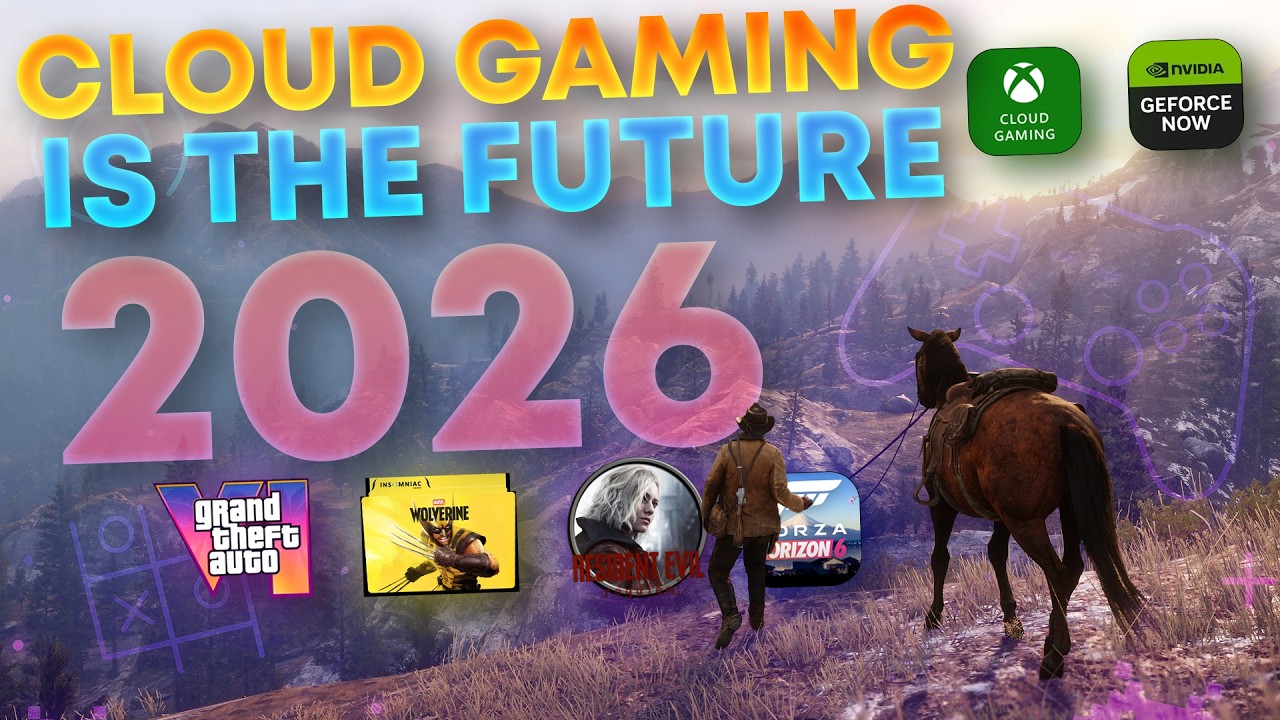
For many, yes, cloud gaming represents a significant part of the future. The convenience factor is undeniable for gamers who balance a full life. Imagine getting home from work, picking up your phone or tablet, and instantly diving into a graphically intensive game without waiting for downloads or updates. No more agonizing over whether your PC can run the new release or spending hundreds on an upgrade every couple of years. It’s about accessibility and instant gratification, which aligns perfectly with modern lifestyles where time is a luxury.
While it won't entirely replace traditional consoles or PCs for everyone, especially hardcore competitive players who demand absolute minimal latency, it offers a compelling alternative. For a large segment of the gaming population, particularly those aged 25-50 who prioritize convenience and value for money, cloud gaming makes high-quality gaming more attainable and less demanding on their time and wallet. The advancements in streaming technology in 2026 have made the experience smoother and more reliable than ever before.
What are the Biggest Pros and Cons of Cloud Gaming?
Like any technology, cloud gaming comes with its own set of advantages and disadvantages. Understanding these can help you decide if it's the right path for your gaming habits.
Pros:
No expensive hardware: Play demanding games without a high-end PC or console.
Instant access: Skip lengthy downloads, installations, and updates. Jump right into the action.
Play anywhere: Access your games across multiple devices—smartphones, tablets, laptops, smart TVs—as long as you have internet.
Cost-effective: Subscription models can be cheaper than buying new hardware and individual games over time.
Reduced storage needs: Games are stored on servers, freeing up space on your local devices.
Future-proof: You always have access to the latest server hardware, without needing to upgrade your own.
Cons:
Internet dependency: Requires a stable, high-speed internet connection; poor internet means poor performance.
Latency issues: The delay between your input and the game's reaction can affect competitive gameplay.
Image quality fluctuations: Visuals can sometimes degrade with network congestion or instability.
Subscription costs: Multiple subscriptions can add up, and you typically don't "own" the games.
Game library limitations: Each service has its own library, which might not include every game you want to play.
Data usage: Streaming games can consume a significant amount of data, a concern for capped plans.
What Internet Speed and Equipment Do I Need for a Good Experience?
Your internet connection is the backbone of cloud gaming. Without a stable and sufficiently fast connection, your experience will suffer from lag, pixelation, and disconnections. Here's a general guideline:
Minimum for 720p at 30fps: Around 10-15 Mbps
Recommended for 1080p at 60fps: 25-35 Mbps
Recommended for 4K at 60fps: 50-75 Mbps or higher
However, speed isn't the only factor. Stability and low latency (ping) are just as critical. A wired Ethernet connection is almost always superior to Wi-Fi for cloud gaming, as it offers a more consistent connection and lower ping. If Wi-Fi is your only option, ensure you're using a 5GHz network band and are close to your router. As for equipment, you'll need a compatible device (most modern smartphones, tablets, laptops, or smart TVs work), a stable internet connection, and often a compatible controller for the best experience. Some services also offer specific streaming sticks or boxes.
Which Cloud Gaming Services Are Best for Different Types of Gamers?
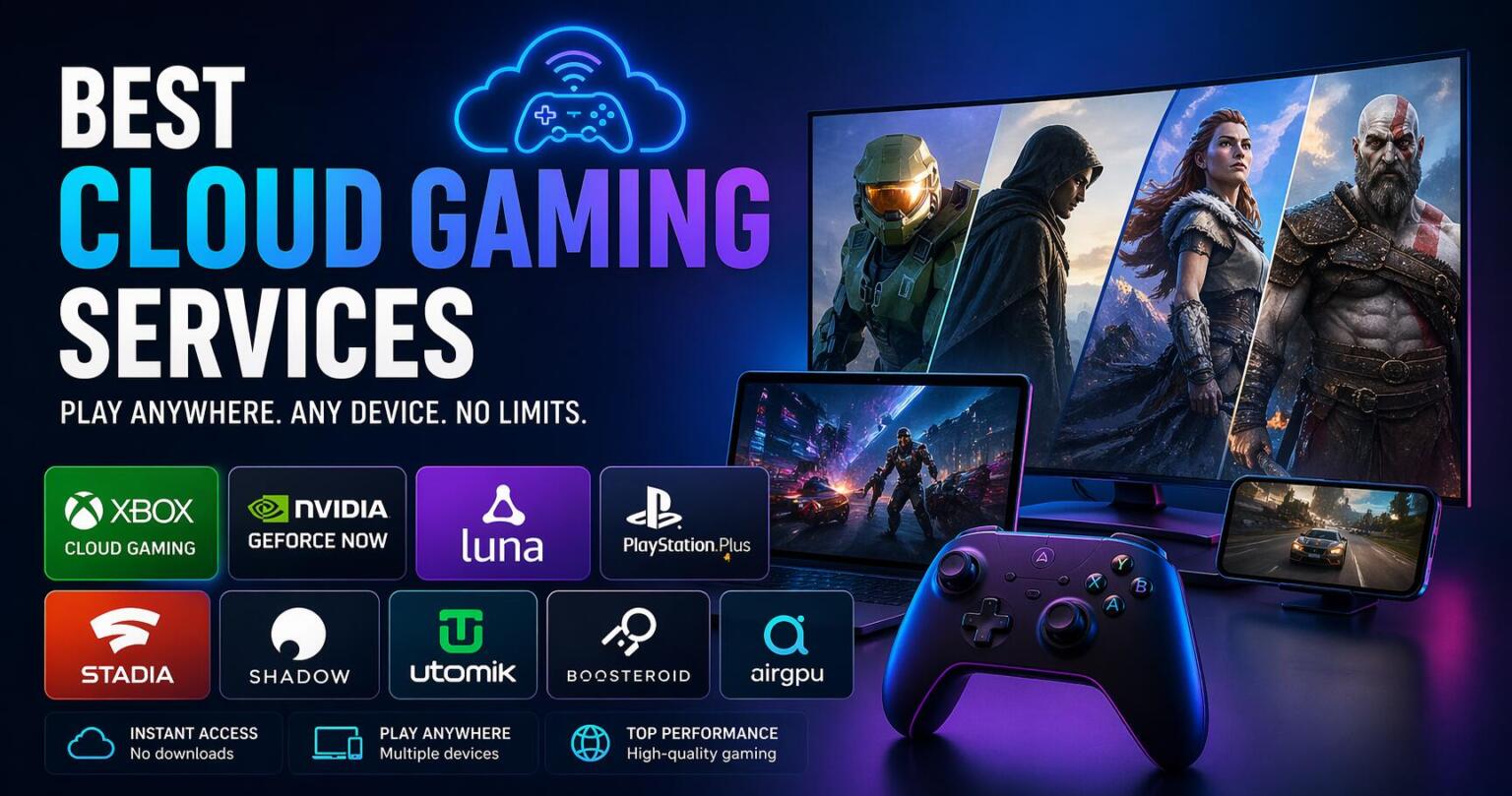
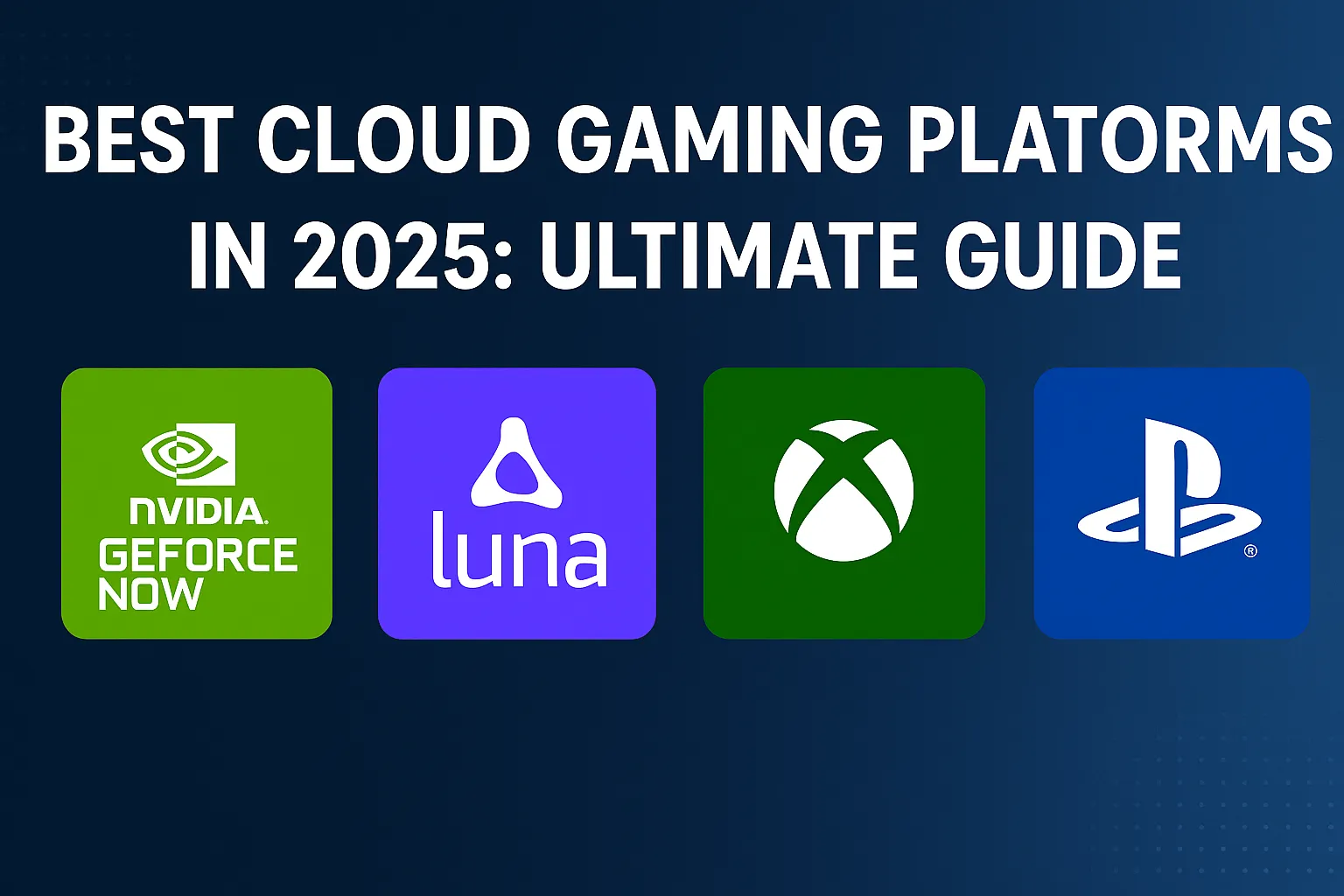
The cloud gaming landscape in 2026 offers several strong contenders, each with unique strengths. Choosing the right one depends on your existing game library, preferred genres, and budget.
| Service | Best For | Key Features | Pricing Model |
|---|---|---|---|
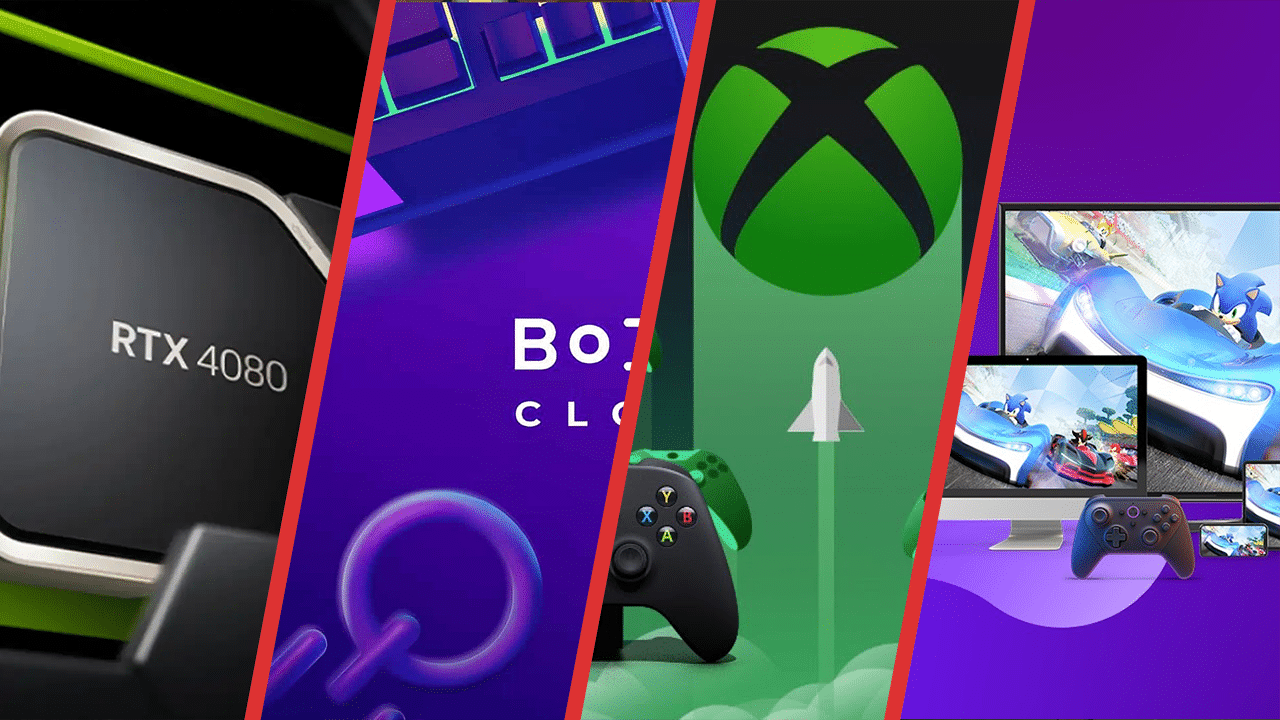
| NVIDIA GeForce NOW | PC gamers who own titles | Stream your existing PC library (Steam, Epic, etc.), powerful server hardware, Free tier available. | Free, Priority (monthly/6-month), Ultimate (monthly/6-month) |
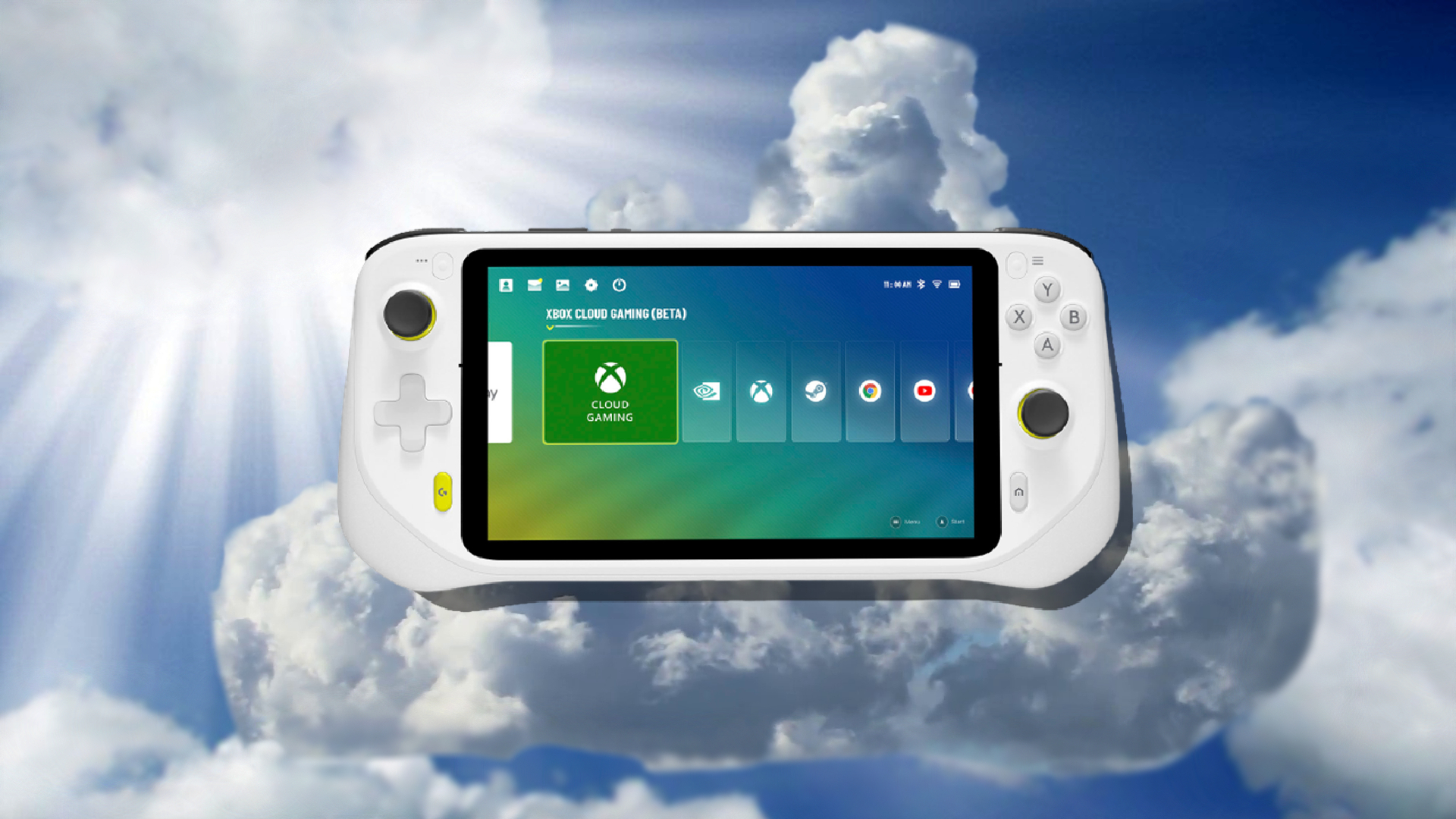
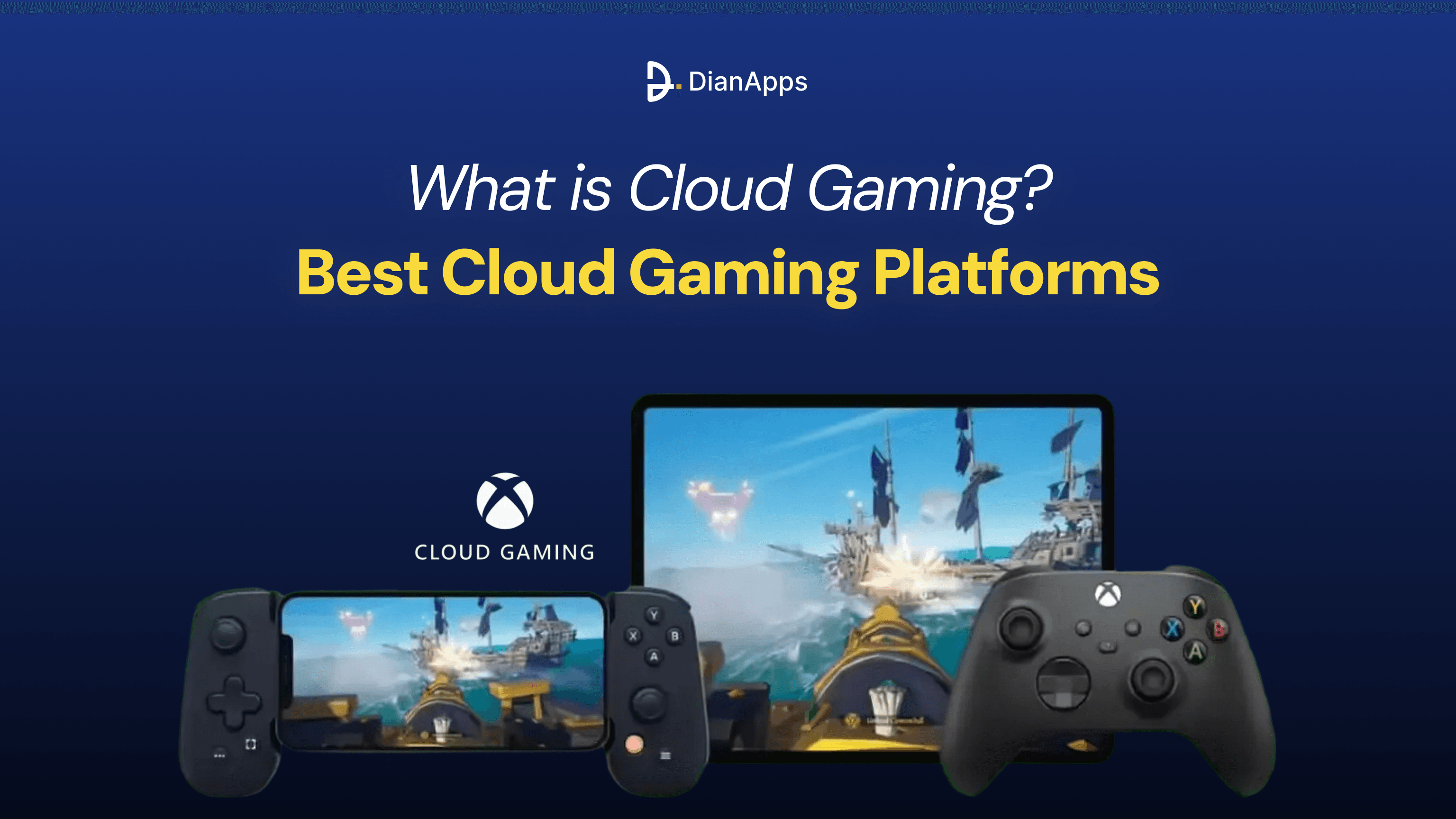
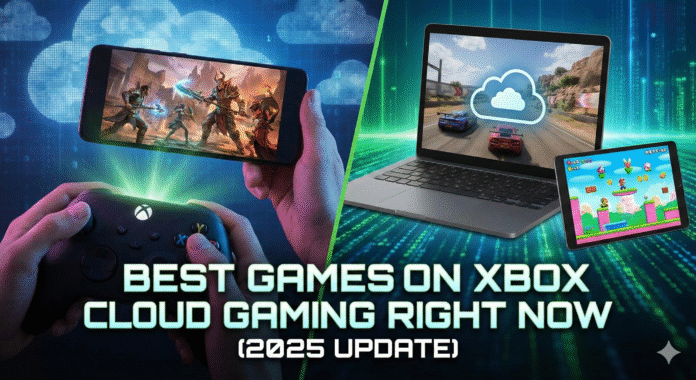
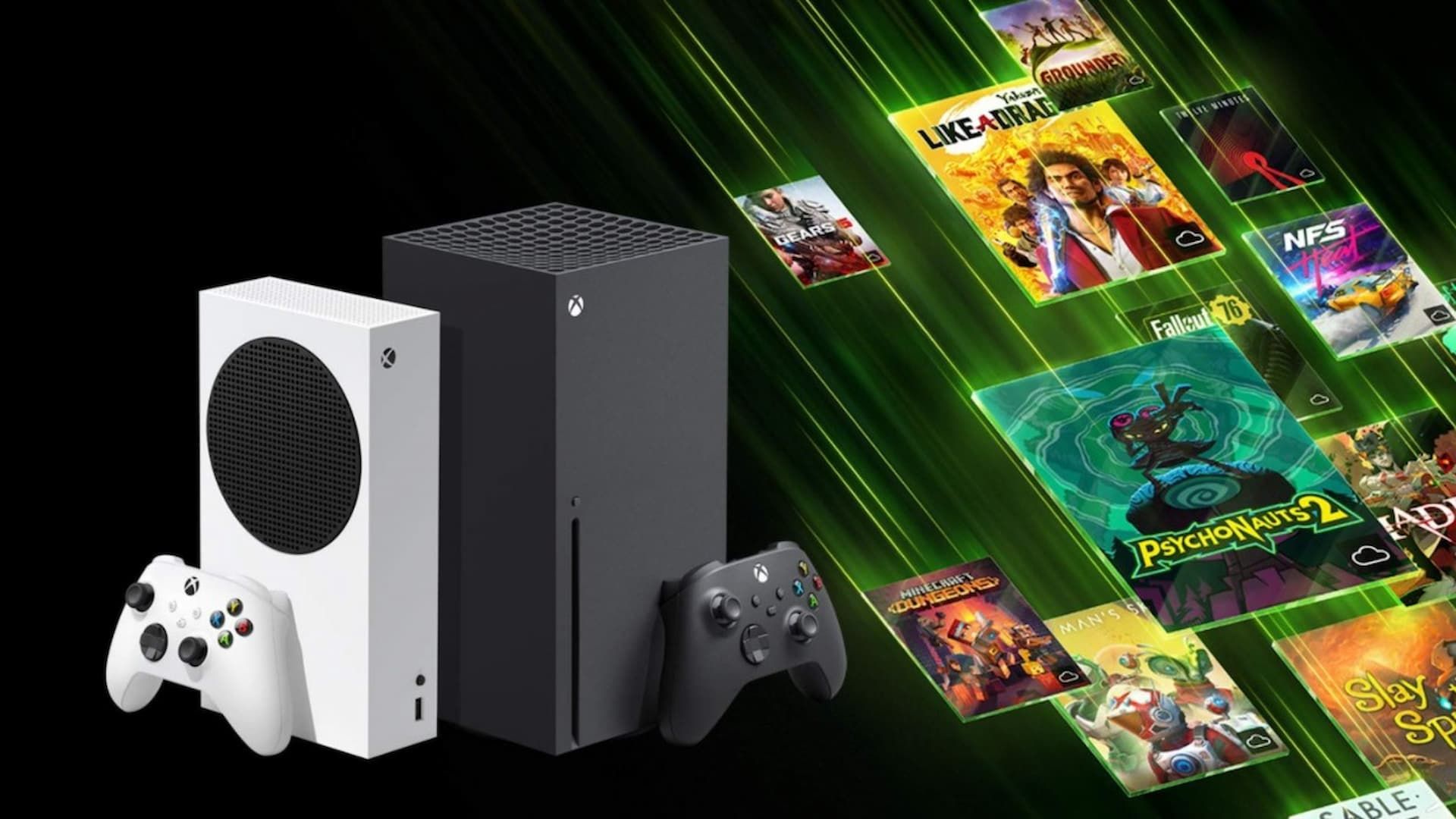
| Xbox Cloud Gaming | Xbox Game Pass subscribers | Play hundreds of Game Pass titles on mobile, PC, and consoles, seamless integration with Xbox ecosystem. | Included with Xbox Game Pass Ultimate |
| Amazon Luna | Prime members & casual players | Channels-based subscription, integrates with Twitch, often bundled with Prime. | Various Channel Subscriptions (e.g., Luna+, Ubisoft+), Free with Prime for select titles |
| PlayStation Plus Premium | PlayStation fans & retro gaming | Access to hundreds of PS4/PS5 games, classic PS1/PS2/PS3 games via streaming/download. | Included with PlayStation Plus Premium tier |
Consider what you already own. If you have a massive Steam library, GeForce NOW is a no-brainer. If you're an Xbox ecosystem enthusiast, Game Pass Ultimate's cloud gaming is integrated and a fantastic value. For casual pick-up-and-play or if you're an Amazon Prime user, Luna might be your go-to. PlayStation fans looking for classic titles will find PS Plus Premium appealing. Trends this month show a growing interest in cross-platform availability, with services actively expanding device support.
Can Cloud Gaming Replace My Console or Gaming PC?
For many gamers, especially those looking to avoid constant hardware upgrades, cloud gaming absolutely can be a primary gaming platform. If your priority is playing a wide variety of games without high upfront costs, enjoying casual multiplayer, or simply relaxing with engaging single-player experiences, then cloud gaming is a fantastic alternative.
However, if you're a competitive esports enthusiast, a streamer who needs local game files for mods and custom content, or someone who demands absolute peak performance with zero latency, a dedicated gaming PC or console might still be your preferred choice. Cloud gaming has made incredible strides in reducing latency, but physics dictates there will always be a small delay when data travels across networks. For the average gamer who values convenience and access over a razor-thin competitive edge, cloud gaming is a compelling replacement for traditional hardware, especially with the 2026 advancements.
How Can I Reduce Latency and Improve My Cloud Gaming Performance?
Latency is the arch-nemesis of cloud gaming. While you can't eliminate it entirely, you can certainly minimize it for a smoother experience. Here are some actionable tips:
Use a Wired Connection: Connect your device directly to your router with an Ethernet cable. This is the single most impactful step you can take.
Optimize Your Wi-Fi (if wired isn't possible):
Use a 5GHz Wi-Fi band; it's faster and less congested than 2.4GHz.
Be close to your router, and ensure minimal obstacles.
Limit other Wi-Fi devices from hogging bandwidth during your gaming session.
Close Background Applications: On your streaming device, close any programs or tabs that might be consuming bandwidth or CPU resources.
Choose the Closest Server Region: Most cloud gaming services allow you to manually select a server region. Always pick the one geographically closest to you to reduce travel time for data.
Upgrade Your Router: An older, less powerful router can be a bottleneck. A modern router with QoS (Quality of Service) features can prioritize gaming traffic.
Check Your ISP Speed: Periodically run a speed test (e.g., on Speedtest.net) to ensure you're getting the speeds you pay for and that your connection is stable.
Is Cloud Gaming a Budget-Friendly Option for Me?
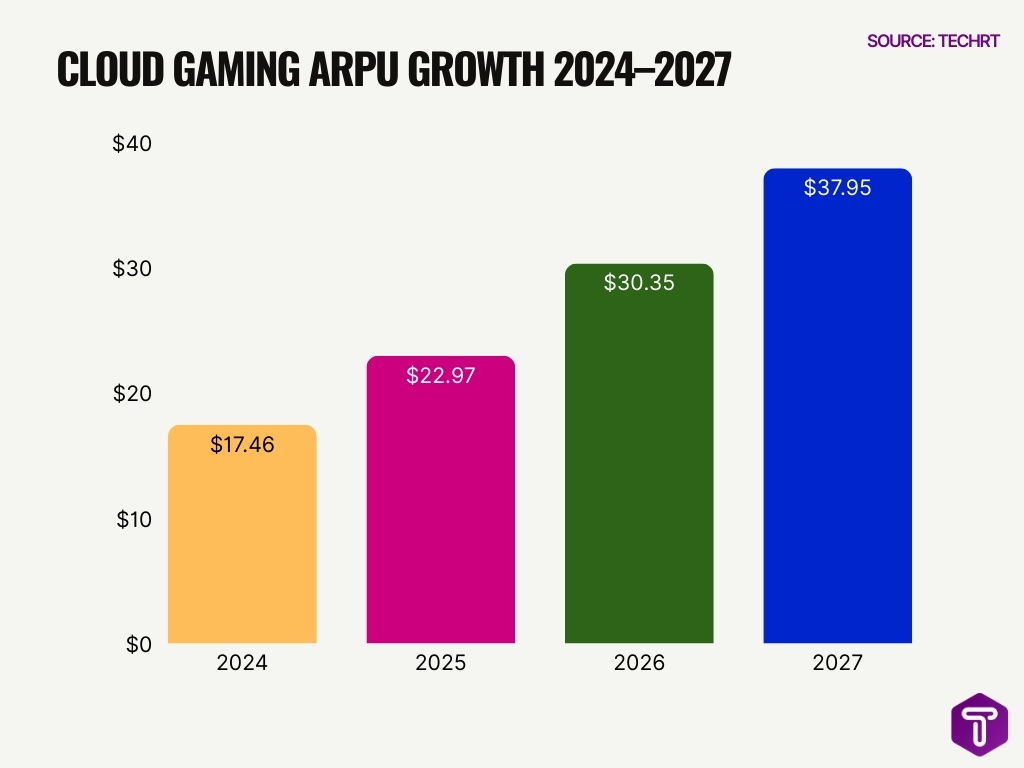
Absolutely! This is one of cloud gaming's biggest draws for budget-conscious gamers. Consider the alternative: a new gaming console might cost $400-$600, and a respectable gaming PC can easily run $1000-$2000 or more, plus the cost of games. Cloud gaming, on the other hand, typically involves a monthly subscription fee, ranging from $5 to $20, depending on the service and tier. Over several years, these subscription costs are often significantly less than the repeated investment in high-end hardware.
Furthermore, many services include a vast library of games with your subscription, meaning you save on individual game purchases. This allows you to try out a wide range of titles, from popular new releases to cozy indie games, without committing to buying each one. For gamers balancing finances, cloud gaming offers incredible value by democratizing access to premium gaming experiences.
How Does Cloud Gaming Fit Into My Social Gaming Life?
Social gaming is more vibrant than ever in 2026, with platforms like Discord being central to communities. Cloud gaming integrates surprisingly well into this social fabric. Many services support cross-play, meaning you can game with friends who are on consoles or PCs, regardless of your streaming device. This is a huge win for those balancing different platforms within their friend groups.
You can easily use voice chat applications like Discord on your smartphone while streaming a game on a tablet or TV. Popular trends this month include more co-op and social simulation games, which are perfectly suited for cloud play as they often aren't as latency-sensitive as competitive shooters. Cloud gaming expands your options for playing with friends and family, making it easier to jump into a quick session without coordinating hardware or downloads. The key is simply having an internet connection for everyone involved.
What are the Best Games to Play on Cloud Gaming Services Right Now?
The "best" games depend heavily on the service you choose and your personal preferences, but here are some general recommendations reflecting current trends:
Cozy & Simulation Games: Titles like Animal Crossing (if available on a cloud service, or similar titles like Palia on PC streaming), Stardew Valley, or Fae Farm are fantastic on cloud, as they don't demand ultra-low latency and are perfect for unwinding after a long day.
Adventure & RPGs: Epic single-player adventures like Cyberpunk 2077 (on GeForce NOW), Starfield (on Xbox Cloud Gaming), or God of War (on PS Plus Premium) truly shine on cloud, letting you experience stunning visuals without a local powerhouse.
Free-to-Play Titles: Many F2P games like Fortnite, Apex Legends, or Genshin Impact are available on various cloud platforms, offering endless fun without additional costs. These are great for quick social sessions.
Major Releases: Keep an eye on the latest AAA games. Services like GeForce NOW often support new releases on day one if they're part of your owned PC library, letting you experience the hype alongside everyone else, even on a modest device.
The beauty of cloud gaming is the ability to easily try out different genres and trending titles without the commitment of a purchase or a hefty download. This month, look for titles that prioritize strong narratives or engaging social mechanics, as they tend to be exceptionally well-suited for streaming.
What Challenges Still Exist for Cloud Gaming in 2026?
While cloud gaming has come incredibly far by 2026, it's not without its ongoing challenges. Network infrastructure remains a primary hurdle; not everyone has access to the consistent, high-speed internet required for an optimal experience. Rural areas, for instance, often struggle with this. Data caps are another concern for some users, as game streaming can consume a lot of bandwidth.
Beyond technical aspects, game ownership versus access is a philosophical debate. With many cloud services, you're renting access to a library, not owning individual games, which can be a point of contention for players who prefer permanent libraries. The fragmentation of services, each with its own exclusive titles, can also mean juggling multiple subscriptions. However, the industry is actively working on these issues, with continued investments in server infrastructure and streaming technology.
Conclusion
So, is cloud gaming the right choice for you in 2026? If you're a busy gamer craving convenience, value for money, and instant access to a vast library without hardware hassles, the answer is likely a resounding yes. It offers a liberating way to enjoy your passion, fitting seamlessly into a life that demands flexibility. While a stable internet connection is key, the benefits of playing anywhere, anytime, on almost any device are simply too compelling to ignore for millions of US gamers. It's about optimizing your playtime and getting back to what matters most: the fun.
What's your biggest gaming challenge that cloud gaming could solve? Comment below!
FAQ Section
What kind of controller works best with cloud gaming?
For most cloud gaming services, standard Bluetooth controllers like an Xbox Wireless Controller, PlayStation DualSense, or a compatible mobile controller generally provide the best experience. Wired controllers can offer slightly lower latency but are less convenient for mobile play.
Can I play local co-op games through cloud gaming?
Local co-op or split-screen gaming through cloud services is becoming more common, but it depends on the specific service and game. Some platforms allow multiple controllers to connect to your streaming device, which then sends the combined inputs to the cloud server.
Is cloud gaming bad for my internet data cap?
Yes, cloud gaming can consume significant data. Streaming in 1080p can use 10-20 GB per hour, and 4K can use even more. If you have a strict data cap from your ISP, this is an important factor to consider before heavily relying on cloud gaming.
Can I stream cloud games in 4K resolution?
Many premium cloud gaming services now offer 4K streaming capabilities, but it typically requires a higher-tier subscription, a very fast and stable internet connection (50-75 Mbps minimum), and a 4K-compatible display device. Not all games or services support 4K streaming.
What's the difference between cloud gaming and downloading games?
When you download a game, the entire game file is stored and runs directly on your device. Cloud gaming, however, streams the game from a remote server to your device as a video feed, meaning the game itself never resides on your local hardware.
Will my game progress be saved when using cloud gaming?
Yes, your game progress is typically saved to the cloud servers or linked to your game account (e.g., Steam, Xbox profile). This means you can often pick up where you left off on a different device or at a later time, offering great flexibility.